All Categories
Featured
Amsterdam Dating Coaches Against 50,000 USD Matchmaking P...
Typical Mistakes When Choosing An Amsterdam Relationship ...
Improve Your Connections By Hiring An Amsterdam Dating Coach

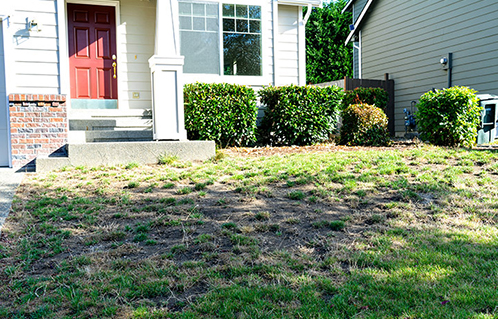
Achieving Improved Lawn Density Through Proven Methods
Table of Contents
Follow these steps to bring your yard back to life. Begin by mowing your lawn to a height of 1-and-1/ 2 inches.
Gather the grass clippings to prevent smothering the yard. Next, utilize a dethatcher to remove dead yard and thatch. This process opens up the lawn, allowing air, water, and nutrients to reach the soil more easily. Rake up and remove the thatch pulled from the lawn. Use a gas-powered core aerator to create little holes throughout the yard.
Roger Cook, This Old Home landscape specialist, describes the mechanics: "The gas engine drives these spikes down into the ground. As they revolve, they go into the ground, come out, and they pull out a casting, a piece of dirt, and it lays on the surface area really leaving a hole in the yard.
Garden compost includes nutrients and improves soil structure. Conduct a soil test to evaluate the physical structure and nutrient material of your soil. Change the soil based upon the test results. Roger Cook, This Old House landscape contractor, emphasizes the importance of changing bad soil: "Plants can't grow in a few of the scrap that's left.
Complete Manual for DIY Turf Restoration
Overseed the lawn with brand-new grass seed. Cook recommends utilizing a mix of grass seeds and using it at a rate of about 7 pounds per 1,000 square feet.
This frequent, light watering promotes seed germination and establishment. Perennial ryegrass will sprout in 5 to 7 days, with other lawn types taking a little longer. Roger Cook, This Old Home landscape professional, advises: "Typically, give yard seeds a 5-minute shower two or 3 times a day. Once they grow, sprinkle them once in the early morning for about 20 minutes.
Easy Turf Renovation Steps for Visible ResultsSpread the topdressing product evenly across the yard and work it in with a rake. Reliable weed management is essential during the yard restoration process.
Reviving Your Lawn With Natural Soil Treatments
Keeping weeds in check during the establishment phase makes sure that your brand-new lawn can grow without competition. Preserving the appropriate soil pH is vital for optimal lawn development.
Here are some suggestions to keep your lawn looking its finest: Aerate and dethatch yearly or as required. Control weeds through correct lawn care practices and area treatments.
Be prepared to deal with the following: New yard needs consistent wetness to sprout, while developed grass has various water requirements. Too much water can cause root rot in fully grown turf, while insufficient can prevent new seeds from growing. Adjusting your watering schedule or using sprinklers developed for even protection can help handle this balance.
This can lead to unequal yard protection and squandered effort. Even with mindful seeding, some locations might grow much faster or more densely than others, leading to an irregular lawn.
Weeds can rapidly take advantage of the bare spots or thin locations in an invigorating lawn, outcompeting young yard. Using a starter fertilizer with pre-emergent weed control or by hand eliminating weeds can assist decrease their spread throughout this vulnerable stage.
DIY Steps for Renewing Damaged Lawns
A rich, green yard not just boosts the aesthetic appeal of your home however also functions as an inviting outside area for relaxation and entertainment. As the gateway to your residence, the condition of your yard plays a vital role in creating a favorable very first impression. A well-manicured yard contributes to the overall appeal of your home and can even increase its market value.
That's where our lawn remodelling guide can help you. Lawn restoration exceeds routine upkeep; it includes a strategic overhaul to deal with existing problems, improve soil health, and improve overall resilience. Consider it as a remodeling for your outside space, breathing brand-new life into tired and uninspired yards. While regular care includes mowing, watering, and fundamental weed control, remodelling actions up the video game, intending to remedy issues like bare spots, compressed soil, and nutrient shortages.
Before diving into the restoration process, it's important to conduct a thorough evaluation of your lawn's existing condition. Stroll through your yard and keep in mind of locations that may need attention. Search for signs of wear and tear, such as bare patches, irregular development, or the presence of weeds. Comprehending the existing concerns will help tailor your restoration strategy to attend to specific requirements.
Recognizing the types of weeds present will guide your weed control method throughout remodelling. Bare spots: Locate areas where the lawn is sporadic or absent.
Top Grass Species for Hot Climates
To develop a tailored prepare for your lawn's dietary requirements, perform a soil test. This analysis supplies insights into your soil's pH levels, nutrition material, and raw material. Comprehending the soil composition helps determine the ideal fertilizers and changes needed for optimal plant growth. We advise the MySoil Pro Load Home Soil Test Kit, which includes a probe and two test packages so you can recheck your soil once you have actually made modifications.
Whether it's improving the total appearance, dealing with specific problems like bare patches, or boosting the lawn's strength, clear goals will direct your restoration strategy. Consider how your remodelling can contribute to your lawn's long-lasting health and sustainability.
Consider the expenses connected with purchasing quality yard seeds or sod, fertilizers, soil amendments, and any necessary devices like aerators or spreaders. Furthermore, consider the possible expense of professional services or specialized tools if your project requires them. While it might be appealing to cut corners to minimize expenses, buying premium seeds, fertilizers, and soil modifications is vital for the long-term success of your yard.
A properly maintained lawn frequently requires less upkeep and corrective measures over time, possibly decreasing future expenses. Research lawn types well-suited to your region, considering factors like temperature, sunlight, and soil conditions.

Table of Contents
Latest Posts

Amsterdam Dating Coaches Against 50,000 USD Matchmaking Packages
Typical Mistakes When Choosing An Amsterdam Relationship Guru
Improve Your Connections By Hiring An Amsterdam Dating Coach
Latest Posts
Amsterdam Dating Coaches Against 50,000 USD Matchmaking Packages
Typical Mistakes When Choosing An Amsterdam Relationship Guru
Improve Your Connections By Hiring An Amsterdam Dating Coach