All Categories
Featured
Amsterdam Dating Coaches Against 50,000 USD Matchmaking P...
Typical Mistakes When Choosing An Amsterdam Relationship ...
Improve Your Connections By Hiring An Amsterdam Dating Coach

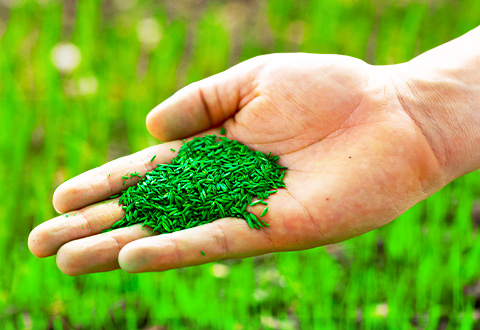
Advanced Agronomic Practices for Maximum Turf Thickness
Table of Contents
If you've ever wondered, "What kind of lawn seed is best for my environment?" you're not alone. With numerous varieties to choose from, discovering the perfect match for your particular area can be difficult. Whether you live in a humid, subtropical zone or a desert, it's important to select lawn seed that will perform well in the given growing conditions.
When looking for grass seed, you might have seen the words "cool season" and "warm season" tossed around. This refers to the type of climate in which the seed will flourish best. Simply like trees, flowers, and other plants, different kinds of turf seeds do better than others in particular environments.
These lawns grow in spring and fall, decrease in the summer, adjust well to freezing winter seasons, and are common in the northern half of the United States. They're also understood for growing well in shady conditions. grasses carry out well in heat and are more common in the southern half of the United States.
Kentucky Bluegrass Perennial Ryegrass Tall Fescue Fine Fescue Even the harshest desert environments can delight in luscious yards, thanks to the strength of warm-season turfs. If you reside in the Southwest, you understand how tough it can be to maintain a conventional lawn. That's why it's so necessary to pick grasses that invite sunshine, need less water, and produce strong root systems.
Our Top Seed Picks for High-Sun Areas
In states where winters can stretch on forever, picking a tough, cool-season turf seed variety is essential. Kentucky bluegrass and tall fescue are excellent choices for northern states like Montana and Michigan since these types of yard are able to participate in a duration of dormancy throughout periods of severe cold. Humidity is another complex piece of the puzzle when it concerns choosing the best turf seed for your climate. Some seed ranges, like zoysiagrass and bahia yard carry out better in humid climates because they can easily adapt to temperature and water content. Residential lawns and golf courses in the Southern Subtropical region of the US might also use Bermudagrass since of its tolerance to excessive humidity.
Achieving Sustainable Lawn Density Via Organic CareKeep these other essential aspects in mind when trying to find brand-new turf seed to plant: Just how much sun does the area see on an average day? If it's less than 5 hours per day, you'll need a shade-tolerant seed range like fine fescue. Other varieties like Bermudagrass require a minimum of 7 hours of sunlight everyday to prosper.
Kentucky bluegrass is a terrific choice, because it recuperates easily and self-repairs. Don't forget, the success of your lawn begins with soil health. If a seed isn't suitable with the soil in your region, it will struggle to grow and produce strong roots. Some examples: tall fescue succeeds in clay soil, fine fescue in loam, and bahia yard in sandy soil.
If your city implements water constraints throughout droughts, you'll need yard that can tolerate longer stretches without moisture. You might also be purchasing yard seed to fill in spaces, or battle off weeds.
Advanced Agronomic Practices for Sustainable Turf Thickness
At Nature's Seed, we concentrate on curating high-quality items for every environment area. Search our choice of yard seed and seed blends, and start growing the yard of your dreams today. The finest turf seed for your location depends upon the climate, soil type, sun exposure, and other crucial elements.
The choice between warm- and cool-season lawn seed depends on where you live. Warm-season lawns do best in hot or temperate climates, while cool-season grasses carry out well in locations that experience all 4 seasons.
Are you dreaming of a lavish, lively yard that looks terrific despite sun or shade? You've concerned the best location. At Lawn Synergy, we have actually mastered the art of balancing light and shade to get rid of the common issue of patchy, uneven development. In this short article, we'll dive deeper into the finest turf seed sun and shade alternatives that are specifically tailored for diverse environments.
Achieving Sustainable Lawn Density Via Organic CareHow to Improve Lawn Soil Health Naturally
If you're prepared to transform your yard into the envy of the area, continue checking out to uncover the secrets to an ideal sun and shade lawn. Sun and shade yards are those that receive a combined amount of sunlight and shade throughout the day. The key to success with these lawns lies in picking a yard type that can perform well under both extremes.

Table of Contents
Latest Posts

Amsterdam Dating Coaches Against 50,000 USD Matchmaking Packages
Typical Mistakes When Choosing An Amsterdam Relationship Guru
Improve Your Connections By Hiring An Amsterdam Dating Coach
Latest Posts
Amsterdam Dating Coaches Against 50,000 USD Matchmaking Packages
Typical Mistakes When Choosing An Amsterdam Relationship Guru
Improve Your Connections By Hiring An Amsterdam Dating Coach