All Categories
Featured
Amsterdam Dating Coaches Against 50,000 USD Matchmaking P...
Typical Mistakes When Choosing An Amsterdam Relationship ...
Improve Your Connections By Hiring An Amsterdam Dating Coach

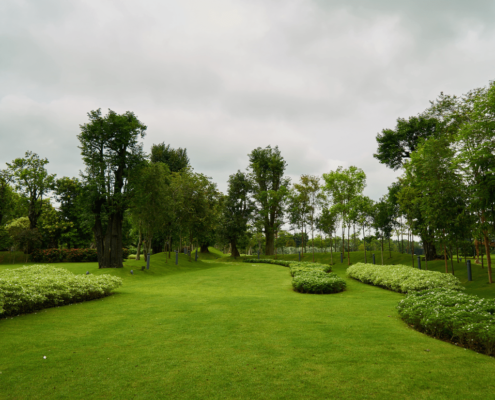
Selecting the Best Turf Varieties for Sun-Drenched Lawns
Table of Contents
To fight these concerns efficiently, it's important to choose a flexible lawn mix that can manage the extremes. The finest yard seed for complete sun and shade includes species that are drought-resistant yet capable of flourishing in less warm conditions, making sure harmony and vitality across your entire backyard. Choosing the best yard seed for your sun and shade lawn is vital for accomplishing a lush, even growth.
The climate you live in substantially affects your turf option. Cool-season turfs flourish in northern environments, while warm-season grasses are much better matched for southern regions.
Complete Step-By-Step DIY Renovation GuideThe best high fescue yard seed is commemorated for its durability and robust root system, making it a prime option for yards that withstand both sun and shade. At Yard Synergy, we proudly include the Titan RX Sun and Shade Turf-Type Tall Fescue Grass Seed, developed to stand out across varied environmental conditions.
Its illness and dry spell resistance capabilities are exceptional, offering you with a low-maintenance yard service that stands up to the test of time. The deep-root system of our Turf-Type Tall Fescue not only supports your turf but also makes the most of nutrient uptake, promoting a lush, dynamic green yard throughout the year. Flexible and trustworthy, whether your yard is exposed to relentless sun or takes pleasure in significant shade, our Turf-Type Tall Fescue Turf Seed adjusts effortlessly, using unequaled efficiency and visual appeal in every setting.
Advanced Expert Practices for Maximum Lawn Thickness
It's especially effective in reviving damaged yards, as it integrates well with existing grass to develop a thick, rich appearance. The speedy growth of Perennial Ryegrass likewise assists it complete against weeds, ensuring your yard stays as pure and appealing as possible. Great Fescue is appropriate for lawns that experience a mix of sun and shade, growing in cool environments and shaded areas where other grasses may fail.
This type of turf is drought-tolerant as soon as established and needs less maintenance, making it ideal for low-fertility soils and less trafficked locations. Great Fescue's flexibility to reasonably bright spots also permits it to mix well with other turf types in a seed mix, offering a rich, multi-textured green space. Kentucky Bluegrass is valued for its abundant color and fine texture, presenting a perfect surface area for various yard activities.
Kentucky Bluegrass forms a dense yard with a strong root system that helps it recuperate from ecological stresses. When offered appropriate moisture and nutrients, it can spread easily to fill gaps, making it efficient for developing a consistent lawn appearance. Proper care, consisting of regular mowing and fertilization, enables it to maintain its dynamic color and strength against wear.
It grows well in southern areas where heat can be intense and is kept in mind for its dense, carpet-like quality that chokes out weeds and offers a smooth, cushiony yard surface area. Zoysia's shade tolerance also makes it a versatile choice for lawns with varied lighting. While it develops more gradually than some grass types, its long-term sturdiness and low water requirement make it a sustainable choice for warm climates.
Augustine Lawn is especially beneficial in tropical and subtropical climates, where it thrives in the warmth and handles shade better than numerous warm-season yards. It's especially reliable in coastal areas where other grasses might battle with salt spray and sandy soils. St. Augustine's thick development habit not only provides a lavish, green appearance but likewise helps reduce weed development, making it a favorite for homeowners seeking a low-maintenance yard that stays healthy and lively under a range of light conditions.
Renovating Damaged Yards Using Soil Enhancement
Apply the seed equally throughout your lawn, utilizing a spreader for consistency. Water your new lawn deeply but infrequently to motivate strong root development.
Fertilize more often in sunnier areas to support robust development. Keep your yard at a perfect height, normally in between 2.5 to 3.5 inches, to promote healthy roots and avoid weeds. Change your yard care practices with the seasonsmore watering and mowing in the growing season and proper winterization as the cold techniques.
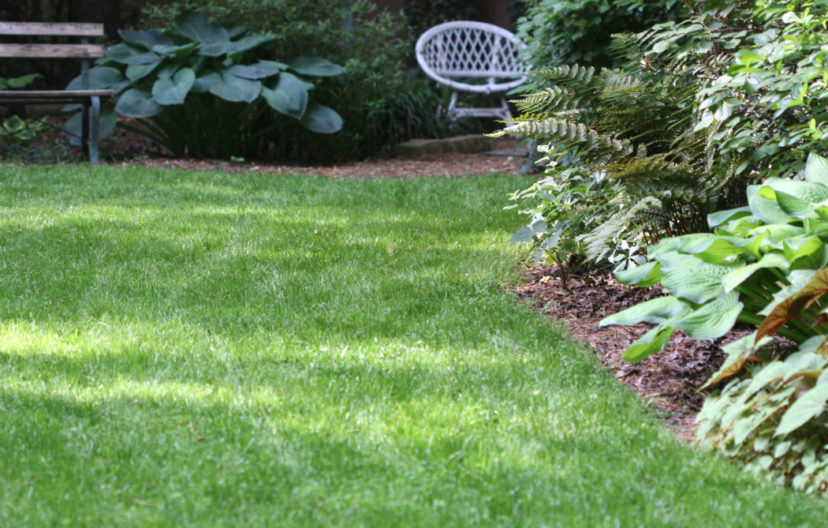
Picking the best lawn seed sun and shade needs comprehending the distinct challenges of sun and shade environments. At Lawn Synergy, we equip you with the knowledge and products to accomplish a lawn you'll like. Check our site for more insights and quality products that deliver outcomes without the empty guarantees.

Table of Contents
Latest Posts

Amsterdam Dating Coaches Against 50,000 USD Matchmaking Packages
Typical Mistakes When Choosing An Amsterdam Relationship Guru
Improve Your Connections By Hiring An Amsterdam Dating Coach
Latest Posts
Amsterdam Dating Coaches Against 50,000 USD Matchmaking Packages
Typical Mistakes When Choosing An Amsterdam Relationship Guru
Improve Your Connections By Hiring An Amsterdam Dating Coach