All Categories
Featured
Amsterdam Dating Coaches Against 50,000 USD Matchmaking P...
Typical Mistakes When Choosing An Amsterdam Relationship ...
Improve Your Connections By Hiring An Amsterdam Dating Coach

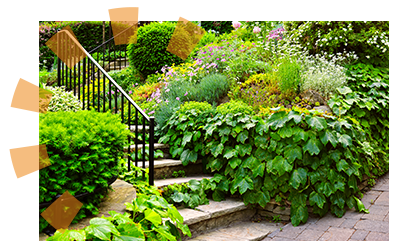
Simple Organic Tips for Vibrant Healthy Lawns
Table of Contents
is the ultimate way to transform a tired, patchy yard into a lavish, green work of art. Whether you're dealing with weeds, bare spots, or compacted soil, resets your grass and offers it the finest chance to prosper. This step-by-step renovation guide will take you through everything you require to understand for an effective lawn remodelling, customized to Australian conditions.
A lawn restoration enhances soil health, promotes energetic growth, and restores your lawn's capability to resist insects and diseases. Renovation is a process that offers long-lasting outcomes if done correctly. Key advantages of a full yard remodelling: Gets rid of thatch and compaction Levels irregular locations for a smoother finish Motivates strong root advancement Assists warm-season and cool-season turfs spread better Spring and early autumn are the very best times to renovate your yard in Australia.
Before beginning, check your yard to understand what it needs for remodelling: Thatch Level: Is there more than 1 cm of spongy layer? Weeds: Are intrusive yards or broadleaf weeds taking over?
Zoysia: Look for thatch, as this yard type is vulnerable to accumulation and needs careful restoration. Ryegrass/Fescue: Analyze for patchy development as these cool-season grasses may require overseeding throughout restoration. This assessment will assist you tailor your plan for the finest results. If weeds are an issue, apply an ideal herbicide 714 days before beginning renovation.
Zoysia: Use lower rates of herbicide to avoid damage. Ryegrass/Fescue: Prevent pre-emergents if overseeding with these cool-season turfs.
How to Enhance Turf Health With Ease
Bag clippings to prevent smothering Scalping permits sunshine to reach the soil and promotes brand-new growth as part of the renovation process. Grass-Type Recommendations: Couch/Kikuyu: Can be scalped aggressively down to the dirt to promote strong lateral growth. Buffalo: Do NOT scalp as low; leave more leaf as buffalo shops energy in its stolons and can have a hard time to recover if scalped too short.
Ryegrass/Fescue: These cool-season yards are more tolerant than you would think. Rye can take a scalping than fescue. Use a dethatcher or scarifier to remove the spongy layer of thatch during remodelling. For large locations, think about working with a powered scarifier. Remove particles and deal with it effectively Do not exaggerate it, leave some healthy turf behind to recuperate as part of the restoration procedure.
Buffalo: Be mild; buffalo has above-ground stolons that can be damaged. Zoysia: Scarify and offer lots of recovery time. Ryegrass/Fescue: Scarifying can be helpful, but isn't needed as frequently. Rye can take a much deeper scarify than fescue. Aerate your lawn to ease soil compaction and enhance water and nutrient penetration as part of remodelling.
Focus on high-traffic locations You can either gather or leave the soil cores on the surface; they'll break down naturally during remodelling. Ryegrass/Fescue: Aeration helps improve drain and lower compaction for cool-season lawns.
Utilize a yard level tool to spread out the sand uniformly Apply 510 mm of material and work it into the surface area until yard ideas are noticeable throughout restoration. Grass-Type Suggestions: Couch/Kikuyu: Will grow through topdressing easily. Buffalo: Prevent burying too much of the leaf. Zoysia: Use thin layers to avoid smothering.
Eco-Friendly Fertilizer Alternatives for Thicker Grass
If your lawn is sporadic or has bare areas, overseed with a compatible seed type as part of remodelling. Water gently and routinely up until germination For warm-season lawns, sprigging can likewise help fill out spaces rapidly during restoration. Grass-Type Guidance: Couch/Kikuyu: Sprigging works well for fast protection. Buffalo: Overseeding is seldom suggested.
Ryegrass/Fescue: Overseeding is ideal in autumn to thicken these yards for winter. Water gently and typically for the first 23 weeks to keep the surface area moist. As the yard starts to develop, shift to to motivate deeper root development.

Table of Contents
Latest Posts

Amsterdam Dating Coaches Against 50,000 USD Matchmaking Packages
Typical Mistakes When Choosing An Amsterdam Relationship Guru
Improve Your Connections By Hiring An Amsterdam Dating Coach
Latest Posts
Amsterdam Dating Coaches Against 50,000 USD Matchmaking Packages
Typical Mistakes When Choosing An Amsterdam Relationship Guru
Improve Your Connections By Hiring An Amsterdam Dating Coach