All Categories
Featured
Amsterdam Dating Coaches Against 50,000 USD Matchmaking P...
Typical Mistakes When Choosing An Amsterdam Relationship ...
Improve Your Connections By Hiring An Amsterdam Dating Coach

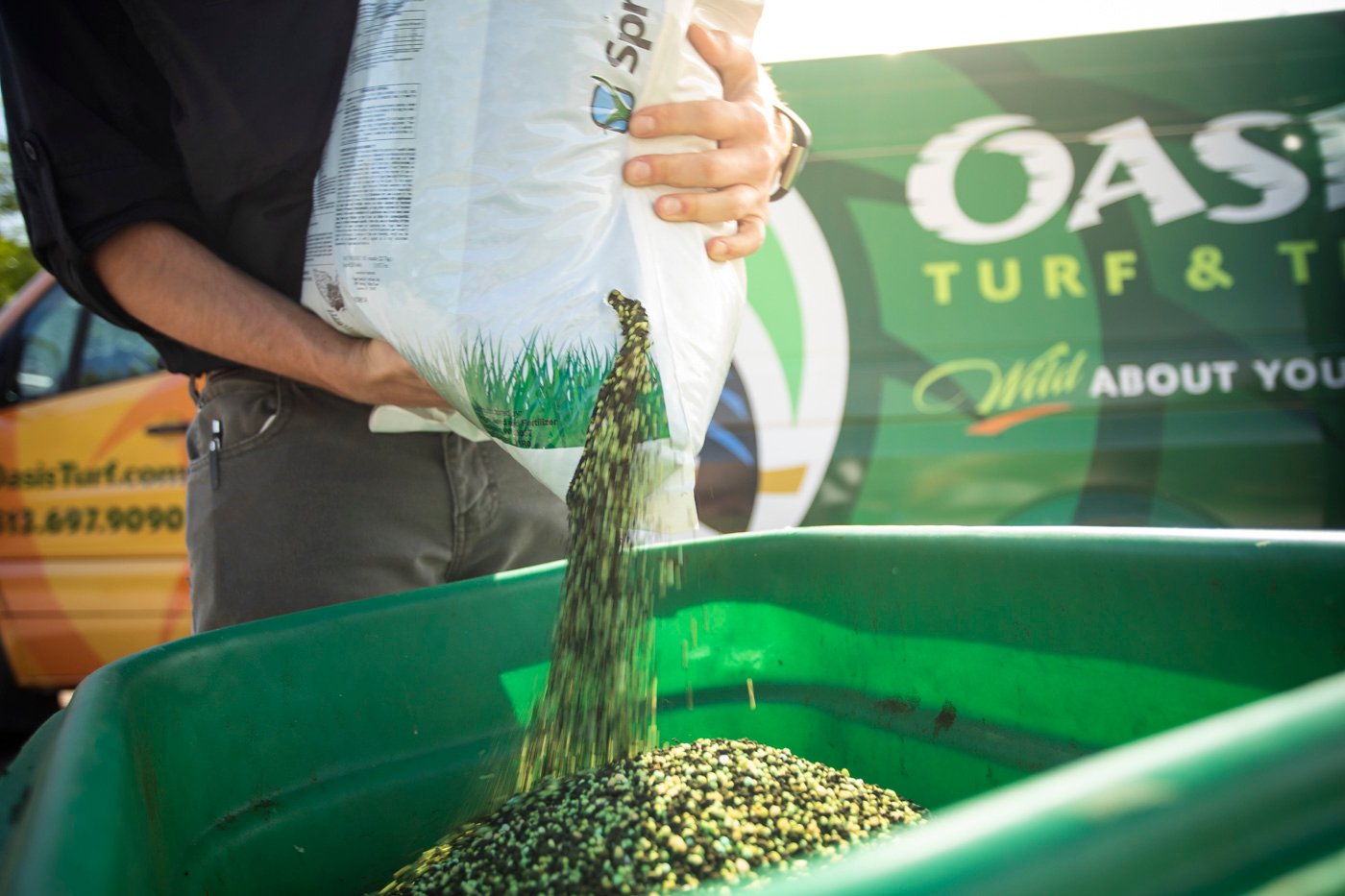
Vital Natural Lawn Maintenance Tips
Table of Contents
Routinely check the lawn for actively growing weeds, along with recently sprouted weed seedlings. Weed types tend to be found in particular habitats, so keeping track of for a particular weed needs to be based upon knowledge of its biology. For example, crabgrass is a spring yearly that needs light to sprout.
Mid-summer would be an exceptional time to try to find mature plants to recognize seed sources for the following year. Late fall would be the finest time to look for seedlings of winter annuals such as henbit or yearly bluegrass. Yearly grassy weeds such as crabgrass, goosegrass and foxtails are thought about major weeds due to the fact that they can efficiently take on turfs and can significantly minimize yard density in a single season.
To be reliable, this herbicide must be applied in early spring prior to weed seed germination. Dandelions are typical in home lawns, specifically where the lawn is thin or mowed too brief.
How to Boost Your Lawn Soil HealthStrategic Turf Renovation Secrets for DensityThe root will send up new growth until the plant lacks energy. Similar to the rest of natural yard management, using sound cultural practices is very important to reducing weed issues. A list of the most crucial cultural practices follows: Trimming at 2.5 to 3 inches for the cool-season yards will keep the yard dense and discourage weed seed germination.
High mowing will preserve lawn crowns and leaves for photosynthesis and get rid of weed flowers and seed heads. Frequent mowing will prevent or lower seed production in some weed types. Fertilize more greatly in fall and keep fertility levels up in late spring and summertime utilizing slow release products. Frequent, shallow irrigation dissuades root development and can encourage weed seed germination.
How to Boost Your Lawn Soil HealthStrategic Turf Renovation Secrets for DensityMethods to Improve Your Soil Quality Naturally
Renovate chronically thin lawns to regionally adjusted species and cultivars. Fall is the finest time to do this for cool-season yards. Do not seed when using corn gluten meal.
Herbicidal soaps work by contact and will not impact underground plant parts. They can be rather effective versus yearly weeds, but are not as reliable versus seasonal weeds with extensive root systems; plants will likely restore from their root systems. Herbicidal soaps can be effective against small yearly and biennial weeds such as common chickweed, identified spurge and crabgrass.

Since herbicidal soaps are non-selective, they can negatively impact desirable plants as well as weeds. The proteins in the corn gluten act on germinating seeds to hinder root growth.
Corn gluten also includes 10 percent nitrogen by weight, and has a slow-release fertilizing result when applied to home lawns. If used at the rate of 20 pounds per 1,000 square feet, this also efficiently uses 2 pounds real nitrogen (N). Research reveals that 50 to 60 percent weed control can be achieved in the first year when corn gluten is applied at 20 pounds per 1,000 square feet; 80 to 85 percent in the second year; and over 90 percent control by the third year.
The very best time to use corn gluten is soon after the last spring frost and again in the fall. Water following the application if there is no rain, then enable the area to dry for 2 or 3 days. A dry duration following application is required for corn gluten to successfully eliminate emerging weed seedlings.
Is Natural Nutrient Alternatives Better
A corn gluten application can hinder grass seed germination, so prevent utilizing this product if reseeding or overseeding a location of the lawn. Elements to consider in using corn gluten consist of: 1) cost; 2) your knowledge of weeds and their life process, because it must be applied in a 4- to six-week duration prior to weed seed germination; and 3) potentially irregular results, because excessive wetness and microbial soil activity can decrease its efficiency.
Chelated iron is an active ingredient (Feast) that provides control for broadleaf weeds in the lawn. Other items (such as A.D.I.O.S) have salt as an active ingredient and provide broadleaf weed control. Other tools readily available for weed management that you might wish to check out consist of flame weeders, warm water weeders, flameless glowing heating systems and soil solarization for big weedy areas.

Table of Contents
Latest Posts

Amsterdam Dating Coaches Against 50,000 USD Matchmaking Packages
Typical Mistakes When Choosing An Amsterdam Relationship Guru
Improve Your Connections By Hiring An Amsterdam Dating Coach
Latest Posts
Amsterdam Dating Coaches Against 50,000 USD Matchmaking Packages
Typical Mistakes When Choosing An Amsterdam Relationship Guru
Improve Your Connections By Hiring An Amsterdam Dating Coach